
Meet the Founders
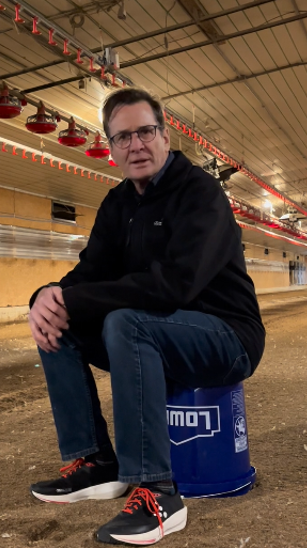
Tom Darbonne
FounderCEO of AudioT, Darbonne has deep experience in acoustic, signal processing and semiconductor ventures—specializing in novel acoustic technology.. He holds BSEE, MSEE from the University of California and Santa Clara University and an MBA from MIT.
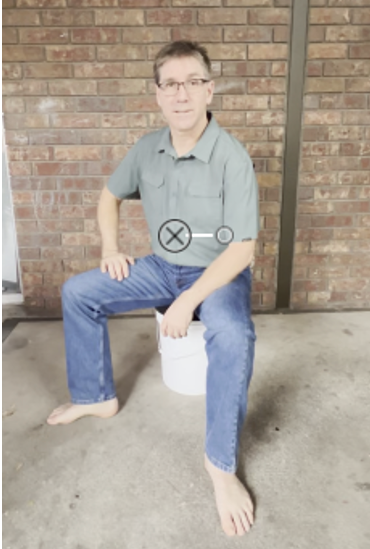
David Anderson, Ph.D.
FounderFocused, approachable, and driven by results, our sales manager is all about building strong relationships. They help connect people to the right solutions—with clarity and care.
What’s with the buckets?
-
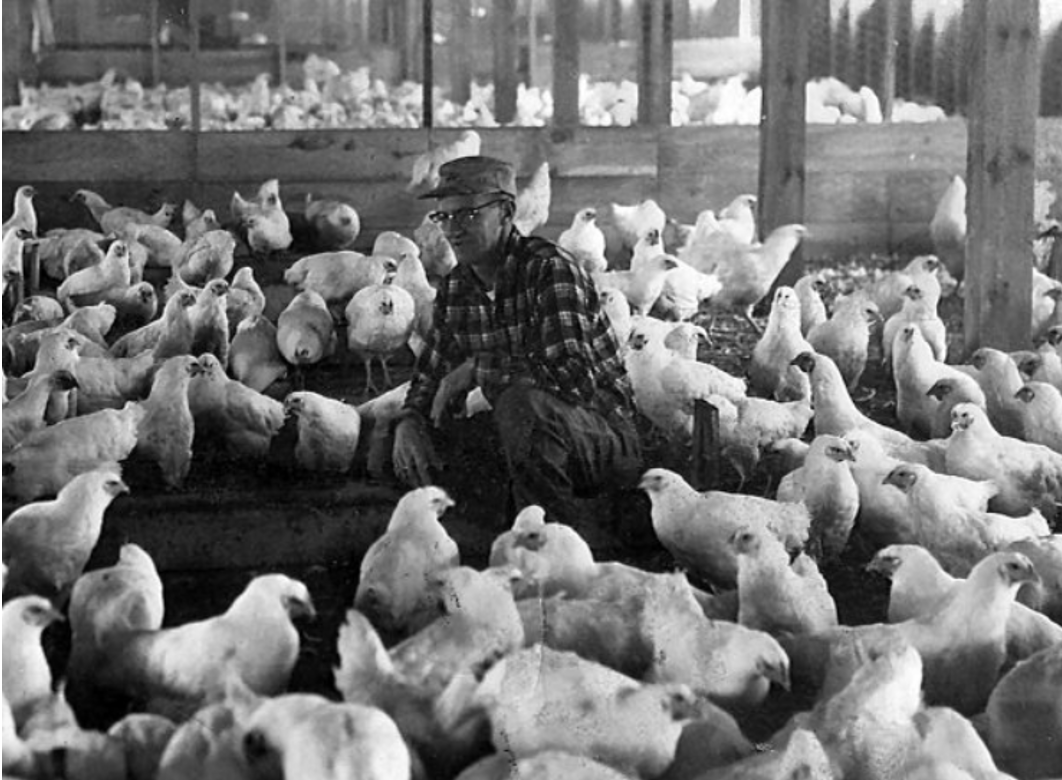
Much of our research began with a simple realization: a fundamental farming practice had quietly disappeared. In the early days of modern poultry production—particularly in the 1940s and 1950s—listening was a primary way growers assessed flock welfare and condition. A common practice was deceptively simple: a grower would take an empty bucket into the house, turn it over, sit among the birds, wait for them to settle, and listen. Over time, growers developed a shared vocabulary for distinct poultry vocalizations and could discuss what different sounds meant for flock health, stress, and performance.
What struck us was that only one thing had really changed. The bucket might now be larger, plastic, and bought from a home store—but the act of listening itself had faded. We didn’t see that as progress.
-
Our research set out to bring listening back into the barn, this time using sensing and computing technologies to sharpen, differentiate, and focus attention on the auditory signals most relevant to bird welfare and grower productivity. The goal was not to recreate nostalgia, but to modernize a proven practice—turning continuous sound into meaningful information.
This turned out to be a difficult problem. Barns are noisy, dynamic environments, and extracting useful signals from constant sound is non-trivial. Today, we believe the results are both practical and impactful. While our current work has already shown value, we see this as only the beginning. As audio is combined with other technologies, the opportunity to better understand birds—where they are developmentally and how they are responding to current conditions—will continue to expand.
-
We are not here to replace the people managing the birds. Our belief is that technology should augment good stockmanship, not substitute for it. Our systems are designed to support daily animal stewardship by surfacing significant events with urgency, generating useful statistics, and helping growers prioritize their time and attention.
The aim is to reduce surprises, validate concerns, provide evidence around conditions affecting productivity, and support more proactive decision-making. In many ways, we seek to be the next best thing to being there—helping growers stay informed about what’s happening in the barn, even when they can’t be present.